
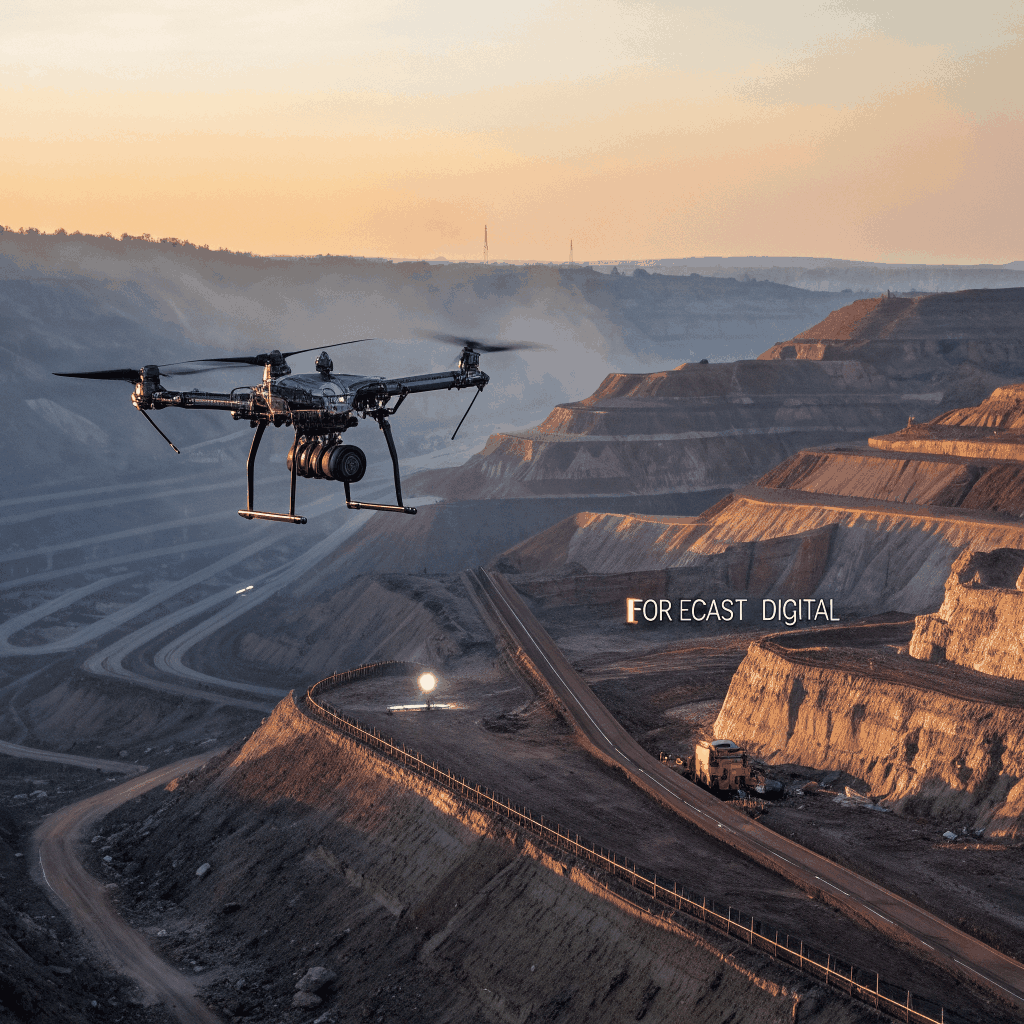
Operating drones for commercial data collection involves more than just flying a device. Safety and regulatory compliance are critical to protect people, property, and the integrity of the data. SkyMetrics follows a rigorous framework that ensures every mission meets FAA (or local) regulations while delivering high‑quality results.
Understanding the Regulatory Landscape
In the United States, commercial UAV flights fall under Part 107 of the Federal Aviation Regulations. Key requirements include:
- Pilot certification (Remote Pilot Certificate).
- Maximum altitude of 400 ft AGL (above ground level) unless a waiver is granted.
- Line‑of‑sight operation, or a valid waiver for beyond‑visual‑line‑of‑sight (BVLOS) missions.
- Restrictions on flying over people, moving vehicles, and restricted airspace without proper authorization.
Internationally, regulations differ, but most countries require similar certifications and operational limitations. SkyMetrics maintains an up‑to‑date knowledge base for each region where we operate.
Our Safety‑First Flight Planning Process
Risk Assessment
Before every flight, we conduct a comprehensive risk assessment that examines:
- Airspace restrictions (temporary flight restrictions, controlled zones).
- Weather forecasts and wind conditions.
- Proximity to personnel, equipment, and public areas.
- Potential electromagnetic interference from nearby structures.
Standard Operating Procedures (SOPs)
Our pilots follow SOPs that cover pre‑flight checks, emergency procedures, and post‑flight data verification. Key steps include:
- Battery health verification and redundancy checks.
- Calibration of GNSS (Global Navigation Satellite System) and IMU (Inertial Measurement Unit).
- Visual inspection of propellers, landing gear, and payload mounting.
Safety Technologies Integrated Into Our UAVs
Modern drones come equipped with safety features that we leverage:
- Obstacle Avoidance Sensors: Detect and avoid collisions with structures or terrain.
- Geofencing: Software‑enforced boundaries that prevent the UAV from entering prohibited zones.
- Return‑to‑Home (RTH): Automatic landing in case of signal loss or low battery.
Compliance Documentation for Clients
After each mission, we provide a compliance package that includes:
- Flight logs generated by the UAV’s telemetry system.
- Proof of pilot certification and insurance.
- Airspace authorization (if applicable).
- Safety incident report (if any).
This documentation can be presented to project managers, regulators, or insurance carriers to confirm that all standards were met.
Case Study: Safe Survey of an Active Construction Site
A large infrastructure contractor needed a rapid topographic survey while heavy equipment was operating on site. SkyMetrics coordinated with the site safety officer, established a 300‑ft safety perimeter, and conducted a BVLOS flight under a temporary waiver. The operation completed without incident, delivering a sub‑meter DTM that accelerated the engineering design phase.
Best Practices for Clients
To support safe and compliant missions, we recommend that clients:
- Provide a clear site map with designated no‑fly zones.
- Communicate any scheduled activities that could affect flight safety.
- Ensure that a site supervisor is present during the flight if required by local regulations.
Conclusion
Safety and compliance are not optional add‑ons; they are integral to reliable drone data acquisition. By partnering with SkyMetrics, you gain a team that prioritizes these aspects while delivering precise, actionable datasets.
Keywords: UAV safety, Part 107 compliance, drone regulations, risk assessment, commercial drone operations